Track Crude Oil Prices for Smarter Personal Finance
Learn how to track crude oil prices and understand their impact on your personal finance. Make informed decisions for your budget, investments, and more.
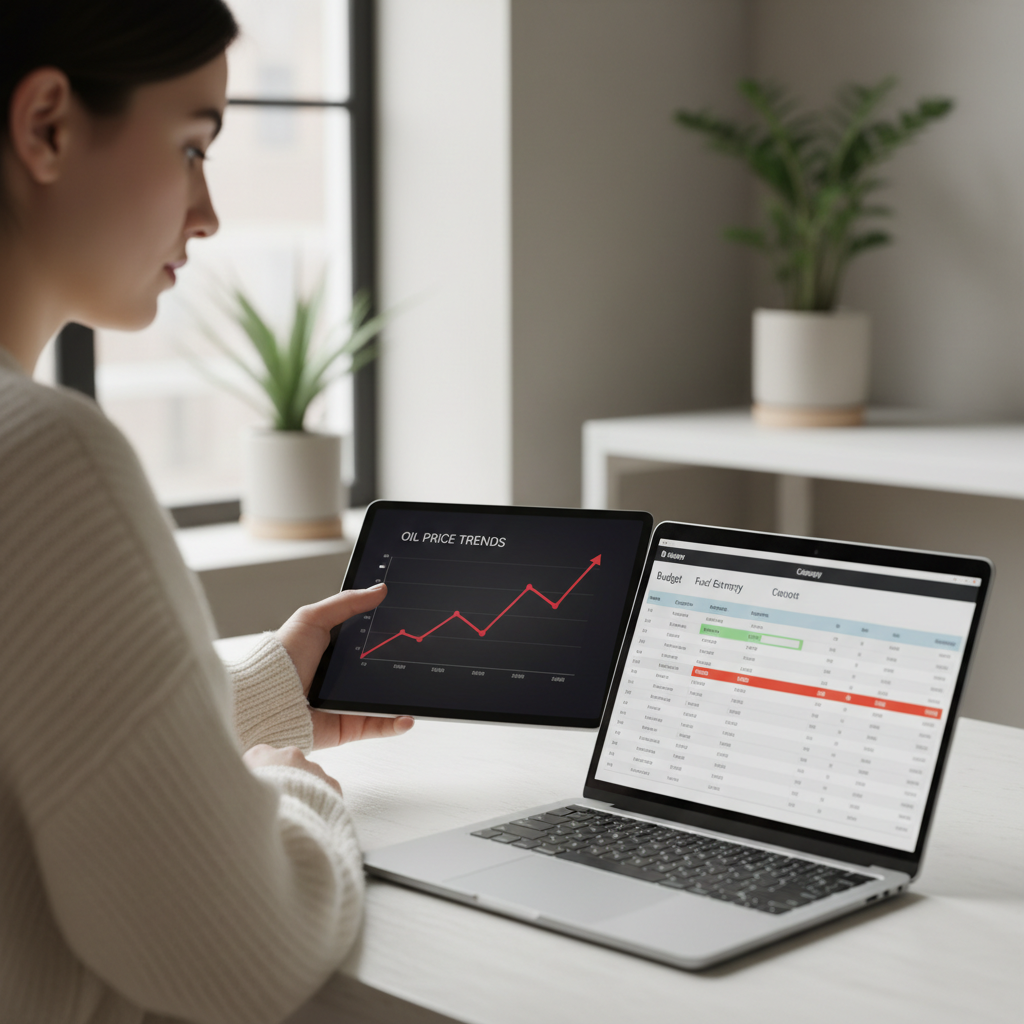
How to Track Crude Oil Prices for Smarter Personal Finance Planning
Understanding how to track crude oil prices for personal finance planning is no longer just for professional investors; it's a vital skill for anyone looking to make more informed decisions about their budget, investments, and overall economic outlook. Crude oil, often called "black gold," is a foundational commodity that influences nearly every aspect of our modern economy. Its price fluctuations can ripple through your daily expenses, investment portfolio, and even long-term financial stability.
This guide will equip you with the knowledge and tools to effectively monitor crude oil prices, interpret their movements, and leverage this understanding to optimize your personal financial strategy. From understanding direct impacts on your wallet to identifying broader economic trends, we'll cover practical approaches to integrating oil price tracking into your financial toolkit.
Why Crude Oil Prices Matter for Your Personal Finances
The price of crude oil is a powerful economic indicator and a significant cost driver across various sectors. Here's why you should care about its fluctuations:
- Fuel Costs: This is the most direct and noticeable impact. Higher crude oil prices translate to higher gasoline and diesel prices at the pump, directly affecting your transportation budget, whether for commuting, travel, or operating a business.
- Energy Bills: Crude oil is refined into heating oil, and its price also influences natural gas and electricity costs, especially in regions heavily reliant on fossil fuels for power generation. Your monthly utility bills can see a direct impact.
- Cost of Goods and Services: Virtually everything you buy, from food to electronics, involves transportation. When fuel costs rise, the expense of moving raw materials and finished products increases, often passed on to consumers in the form of higher prices. This contributes to inflation.
- Investment Performance: Oil prices significantly impact energy stocks (oil and gas companies), but also broader market sectors. Airlines, logistics companies, and manufacturing firms can see their profitability affected by fluctuating energy costs. Understanding oil trends can inform your stock, ETF, and mutual fund decisions.
- Economic Outlook: Oil prices are often a barometer of global economic health. Rising prices can signal increased demand from a growing economy, but also potential inflationary pressures that might lead central banks to raise interest rates, affecting mortgages and loans. Conversely, falling prices can reflect weakening demand or increased supply, impacting corporate earnings and employment.
Key Factors Influencing Crude Oil Prices
To effectively track crude oil prices, it's crucial to understand the fundamental forces that drive them. These can be broadly categorized into supply, demand, and geopolitical factors.
1. Global Supply Dynamics
- OPEC+ Decisions: The Organization of the Petroleum Exporting Countries (OPEC) and its allies (like Russia), collectively known as OPEC+, play a crucial role. Their decisions on production quotas can significantly impact global supply. Monitoring their meetings and announcements is key.
- Non-OPEC Production: Countries like the United States (shale oil), Canada, and Brazil also contribute substantial volumes. Technological advancements in extraction (e.g., fracking) can lead to supply surges.
- Strategic Petroleum Reserves (SPR): Major consuming nations, such as the U.S., maintain strategic reserves. Releases from these reserves can temporarily increase supply and dampen price spikes, while replenishing them can boost demand.
- Disruptions: Natural disasters (hurricanes in the Gulf of Mexico), accidents (refinery fires), or political instability in major oil-producing regions can disrupt supply, leading to price surges.
2. Global Demand Indicators
- Economic Growth: A robust global economy typically means higher demand for energy from industries, transportation, and consumers. Economic slowdowns or recessions tend to reduce demand.
- Emerging Markets: Rapidly industrializing economies, particularly in Asia, are significant drivers of oil demand growth.
- Seasonal Factors: Demand for heating oil increases in colder months, while summer travel seasons often boost gasoline consumption.
- Technological Shifts: The adoption of electric vehicles, renewable energy sources, and improvements in energy efficiency can gradually impact long-term oil demand.
3. Geopolitical Events and Speculation
- Political Instability: Conflicts, sanctions, or political unrest in oil-rich regions (e.g., Middle East, Russia) can create uncertainty about future supply, leading to risk premiums in oil prices.
- Trader Sentiment and Speculation: Financial markets, including futures trading, play a substantial role. Traders speculate on future price movements based on news, economic data, and technical analysis, which can amplify price swings.
- Currency Fluctuations: Crude oil is primarily priced in U.S. dollars. A stronger dollar can make oil more expensive for countries using other currencies, potentially dampening demand. Conversely, a weaker dollar can make oil cheaper and boost demand.
Where to Track Crude Oil Prices
Accessing reliable and timely data is essential for effective tracking. Here are some of the best sources:
Financial News Websites:
- Bloomberg: Provides comprehensive market data, news, and analysis on various commodities, including crude oil (Brent and WTI).
- Reuters: Similar to Bloomberg, Reuters offers up-to-the-minute news, prices, and expert commentary.
- The Wall Street Journal: Excellent for market insights, opinion pieces, and economic analysis related to energy.
- Financial Times: Global perspective on energy markets and geopolitical impacts.
Commodity Exchanges:
- CME Group (NYMEX): The New York Mercantile Exchange (NYMEX) is where West Texas Intermediate (WTI) crude oil futures are traded. You can find real-time and historical data directly from their website.
- Intercontinental Exchange (ICE): ICE is where Brent crude oil futures are primarily traded. Their website offers similar data.
Government and Agency Reports:
- U.S. Energy Information Administration (EIA): The EIA provides a wealth of data, analyses, and forecasts on energy, including weekly petroleum status reports, short-term energy outlooks, and historical price series. This is an invaluable, unbiased source for U.S.-centric data.
- International Energy Agency (IEA): The IEA offers global energy statistics, market reports, and policy analysis.
Specialized Energy Information Providers:
- S&P Global Platts: A leading independent provider of information and benchmark prices for the energy and commodities markets. While some content is premium, their news releases and indices are widely cited.
- Argus Media: Another respected source for price assessments and market intelligence in the energy sector.
Investing Platforms/Apps:
- Many brokerage platforms (e.g., TD Ameritrade, Fidelity, Interactive Brokers) offer real-time quotes and charting tools for crude oil futures, ETFs, and related stocks.
- Financial apps like Yahoo Finance, Google Finance, and Investing.com provide free access to commodity prices, charts, and news feeds.
Key Crude Oil Benchmarks to Monitor
When tracking, you'll primarily encounter two major benchmarks:
- West Texas Intermediate (WTI): This is the main benchmark for U.S. crude oil, typically light sweet crude. It's often associated with prices delivered to Cushing, Oklahoma.
- Brent Crude: This is the leading global benchmark, representing crude oil extracted from the North Sea. It's a key reference for oil prices across Europe, Africa, and the Middle East.
While their prices generally move in tandem, there can be significant spreads between WTI and Brent due to regional supply/demand dynamics, pipeline capacity, and geopolitical factors. It's often good practice to track both.
Practical Steps to Integrate Oil Price Tracking into Your Personal Finance
1. Set Up Price Alerts
Most financial apps and websites allow you to set up price alerts. You can receive notifications if WTI or Brent crude crosses a certain threshold, helping you stay informed without constantly checking.
2. Monitor Gasoline and Heating Oil Prices Locally
While global crude prices are important, local pump prices and heating oil costs can vary due to regional taxes, refining capacity, and distribution costs. Use apps like GasBuddy or local news sources to track retail fuel prices in your area.
3. Adjust Your Budget Proactively
- Transportation: If crude oil prices are trending up, allocate a larger portion of your budget to gasoline or public transport. Consider fuel-efficient travel, carpooling, or reducing non-essential trips.
- Utilities: Prepare for potentially higher heating or cooling bills by improving home insulation, adjusting thermostat settings, or exploring energy-efficient appliances.
- Discretionary Spending: Recognize that higher energy costs can lead to broader inflation. You might need to trim discretionary spending in other areas to maintain your financial goals.
4. Inform Your Investment Decisions
Understanding oil trends can guide your investment strategy:
- Energy Sector: If you believe oil prices are poised to rise, you might consider investments in oil and gas exploration, production, or service companies. Conversely, if prices are expected to fall, you might trim exposure.
- ETFs and Mutual Funds: There are ETFs that track crude oil futures (though these can be complex due to contango/backwardation) or invest in broad energy sector companies. Consider broad market index funds if you want diversification without direct sector bets.
- Inflation Hedges: Commodities like oil can sometimes act as an inflation hedge. During periods of rising oil prices and inflation, some investors turn to real assets or certain commodity-linked investments.
- Airlines, Logistics, Manufacturing: These sectors are sensitive to oil prices. High oil prices can squeeze their profit margins, while lower prices can be a tailwind.
Example: Scenario Planning with Oil Prices
Let's consider a practical example for personal finance planning:
| Crude Oil Price Trend | Potential Personal Finance Impact | Actionable Steps for You |
|---|---|---|
| Rising Prices | - Higher gas pump prices | - Revisit transportation budget, consider public transit/carpooling. |
| - Increased utility bills (heating oil, electricity) | - Energy audit, improve home insulation, adjust thermostat. | |
| - General inflation (food, goods cost more) | - Prioritize essential spending, reduce discretionary outlays. | |
| - Potential boost for energy sector investments; headwinds for airlines/logistics. | - Review investment portfolio; consider energy sector ETFs if bullish, or reduce exposure to oil-sensitive industries. | |
| Falling Prices | - Lower gas pump prices | - Potential savings on transportation; allocate funds to savings or investments. |
| - Reduced utility bills | - Use savings to pay down debt, boost emergency fund, or invest. | |
| - Easing of inflationary pressure | - More purchasing power for other goods/services. | |
| - Potential pressure on energy sector investments; tailwinds for airlines/logistics. | - Re-evaluate energy sector exposure; consider cyclical stocks benefiting from lower input costs. | |
| Volatile/Unstable | - High uncertainty, difficulty in budgeting | - Maintain larger emergency fund, focus on variable expenses. |
| - Increased market risk | - Diversify investments, avoid speculative bets, consult a financial advisor. |
Tools and Resources for Tracking
- Customizable Dashboards: Platforms like TradingView, Yahoo Finance, or Investing.com allow you to create custom watchlists and dashboards to monitor WTI, Brent, related ETFs (e.g., USO, BNO), and energy stocks.
- News Aggregators: Use services like Google News alerts for "crude oil prices" or "energy market news" to get timely updates.
- Podcast & YouTube Channels: Many reputable financial news outlets offer daily market updates that include commodity insights.
Caveats and Considerations
- Complexity: Crude oil markets are highly complex and influenced by numerous global factors. It's difficult even for experts to predict movements accurately.
- Lag Time: Changes in crude oil prices don't immediately translate to retail prices. There's a lag as existing stock is used, and new supplies are refined and distributed.
- Don't Over-Optimize: While tracking is beneficial, avoid making frequent, reactive changes to your budget or investments based solely on short-term oil price swings. Focus on long-term trends and broad impacts.
- Consult a Professional: For significant investment decisions, especially those involving commodities, always consult with a qualified financial advisor.
By diligently applying these strategies and utilizing available resources, you can effectively track crude oil prices and transform that information into powerful insights for more robust personal finance planning. This proactive approach will empower you to navigate economic shifts and better secure your financial future.
FAQ
Q1: What is the difference between WTI and Brent crude oil?
A1: WTI (West Texas Intermediate) is the primary benchmark for U.S. crude oil, known for its high quality ("light sweet crude") and delivered to Cushing, Oklahoma. Brent Crude is the leading international benchmark, sourced from the North Sea, and is often used as a reference for crude oil prices across Europe, Africa, and the Middle East. While they generally track each other, differences in regional supply/demand and logistics can cause their prices to diverge.
Q2: How quickly do changes in crude oil prices affect gasoline prices at the pump?
A2: Changes in crude oil prices typically take a few days to a few weeks to fully filter down to retail gasoline prices. This lag is due to factors such as existing inventory levels at refineries and gas stations, refining costs, transportation expenses, and local market competition. However, significant crude price spikes or drops can be reflected more quickly.
Q3: Can tracking crude oil prices help me with my investment portfolio?
A3: Yes, absolutely. Tracking crude oil prices can inform your investment decisions by indicating the health of the energy sector. Rising prices generally benefit oil and gas companies, while falling prices can hurt them. Conversely, industries heavily reliant on fuel (like airlines, logistics, and manufacturing) often perform better when crude oil prices are low. It can also offer insights into broader inflationary pressures.
Q4: Are there any specific reports I should regularly check for oil price insights?
A4: For comprehensive insights, regularly check the U.S. Energy Information Administration (EIA) for their "Weekly Petroleum Status Report" and "Short-Term Energy Outlook." These reports provide detailed data on U.S. oil supply, demand, inventories, and forecasts. Also, follow reports from the International Energy Agency (IEA) and announcements from OPEC+ meetings for a global perspective.
Q5: How do geopolitical events influence crude oil prices?
A5: Geopolitical events, such as conflicts, political instability, sanctions, or major policy changes in oil-producing regions (e.g., the Middle East, Russia), can significantly impact crude oil prices. These events introduce uncertainty about future supply, potentially disrupting production or transportation routes. This uncertainty often leads to a "risk premium" being added to oil prices, causing them to rise.
Q6: What's the best way to track local gasoline prices, separate from global crude prices?
A6: To track local gasoline prices, apps like GasBuddy are highly effective, as they crowdsource prices from users and show the cheapest stations near you. Many local news outlets and state energy offices also publish average gasoline prices for their regions. This helps you understand how global crude price trends are translating into actual costs in your daily budget.