Selling Clothes Online for Beginners: Your Step-by-Step Guide
Discover how to start selling clothes online for beginners with our practical guide. Learn platforms, pricing, photography, and shipping to earn extra income.
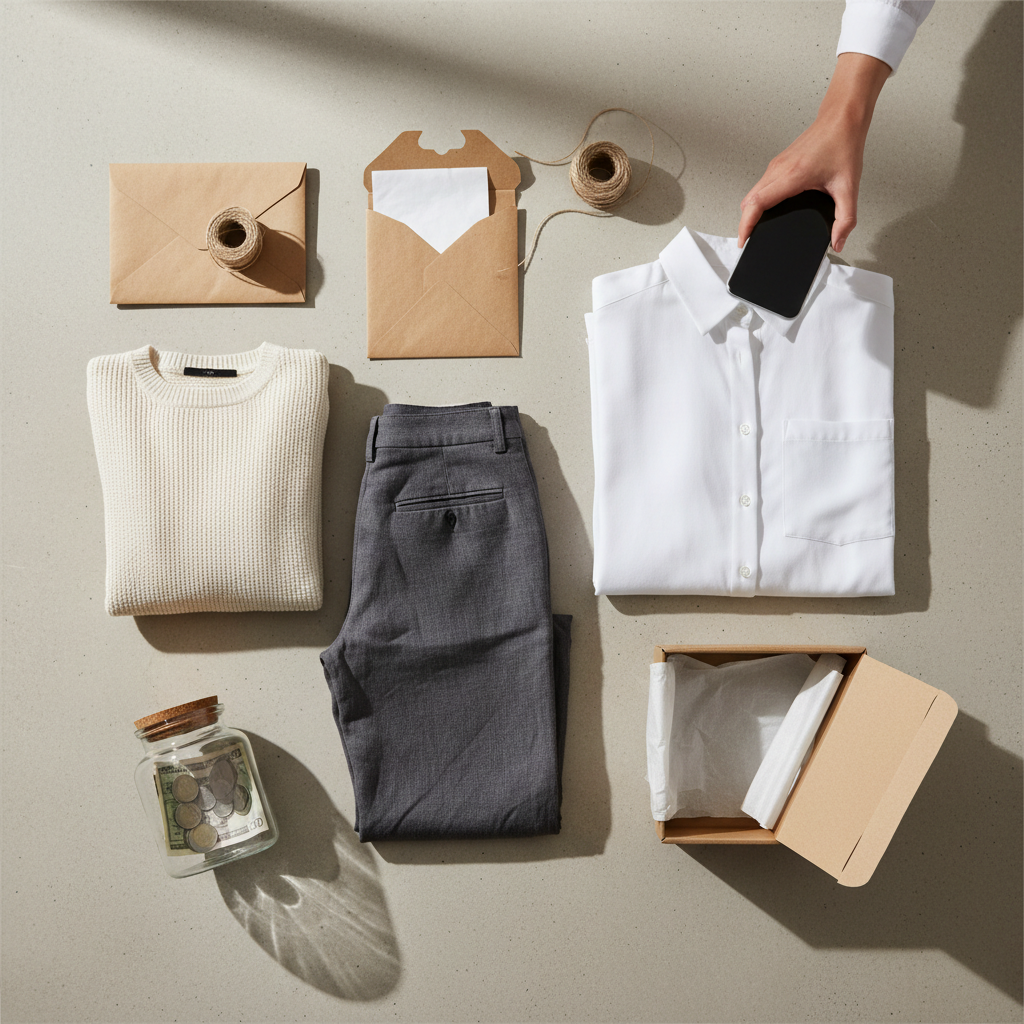
Selling Clothes Online for Beginners: Your Step-by-Step Guide
Are you looking to declutter your closet and make some extra cash? Selling clothes online for beginners has never been easier, offering a flexible and rewarding way to turn your pre-loved items into profit. Whether you're aiming to clear out your wardrobe, fund new purchases, or even build a sustainable side hustle, this comprehensive guide will walk you through everything you need to know to get started, from choosing the right platform to mastering photography and shipping.
Why Sell Clothes Online?
The resale market for clothing is booming. With growing awareness of sustainable fashion and the desire for unique, affordable items, consumers are increasingly turning to online platforms for their wardrobe needs. For you, this means:
- Extra Income: Turn unused items into actual money.
- Decluttering: Free up space in your home.
- Sustainability: Give clothes a second life, reducing waste.
- Learning Opportunity: Develop skills in e-commerce, photography, and customer service.
It's a win-win for your wallet and the planet.
Step 1: Declutter and Curate Your Inventory
Before you list anything, you need to identify what you're going to sell. This isn't just about clearing space; it's about curating a desirable collection for your potential buyers.
What Sells Best?
- Brand Names: Popular brands, especially those known for quality or trendiness, tend to sell quickly. Think Zara, H&M, Lululemon, Nike, Levi's, or higher-end designers.
- Good Condition: Items that are new with tags (NWT), new without tags (NWOT), or in excellent used condition (EUC) will command higher prices and attract more buyers. Minimal flaws are acceptable, but must be disclosed.
- Seasonal Items: List winter coats in the fall, swimsuits in the spring. Pay attention to current trends.
- Unique Pieces: Vintage items, limited editions, or unique styles can attract niche buyers.
- Popular Sizes: Mid-range sizes often have a larger buyer pool.
What to Avoid Selling (Initially)
- Heavily Worn Items: Stains, rips, significant pilling, or stretched-out fabric unless it's a very high-value item where flaws are expected (e.g., vintage).
- Fast Fashion with Low Resale Value: While you might have bought a top for $5, it's unlikely to sell for much, and the effort might not be worth it.
- Undergarments/Swimwear (Used): Most platforms prohibit or discourage the sale of used intimate apparel for hygiene reasons.
The Decluttering Process
- Empty Your Closet: Take everything out. Yes, everything.
- Categorize: Create piles: "Keep," "Sell," "Donate," "Trash."
- Inspect Each Item: Check for stains, holes, missing buttons, broken zippers, pilling, and overall wear. Be honest about its condition.
- Clean & Prepare: Wash or dry clean items you intend to sell. A fresh, clean garment looks and smells better, increasing its appeal. Iron or steam clothes to remove wrinkles.
Step 2: Choose Your Selling Platform(s)
The platform you choose can significantly impact your success. Each has its own audience, fee structure, and selling process.
Popular Platforms for Selling Clothes
| Platform | Best For | Fees (Typical) | Pros | Cons |
|---|---|---|---|---|
| Poshmark | Fashion-forward items, mid-to-high end brands, social selling | 20% for sales over $15, $2.95 for sales under $15 | Large fashion community, pre-paid shipping label, simple listing, "Posh Parties" | High fees, social interaction required (sharing), direct buyer-seller negotiation |
| Depop | Vintage, Y2K, streetwear, unique, indie brands, Gen Z audience | 10% on item + shipping cost | Youthful aesthetic, easy photo integration, direct messaging, active community | Can be competitive, requires understanding of trends, direct buyer-seller negotiation |
| Mercari | Wide range of items, including fast fashion, electronics, home goods | 10% selling fee, 2.9% + $0.30 payment processing fee | Simple listing, fixed price or offers, good buyer protection, diverse audience | Variable shipping options (can be complex for beginners), some buyers expect low prices |
| eBay | Unique items, vintage, high-value, collectibles, international sales | 10-12.55% final value fee + $0.30 per order, varying listing fees | Massive global audience, auction or fixed price, robust seller tools | Can be complex for beginners, higher competition, detailed listing requirements |
| ThredUp/The RealReal (Consignment) | Designer, high-end luxury, hassle-free selling | Percentage varies greatly (small for low-value, high for luxury) | Minimal effort for seller (send items in), authenticated for luxury, professional photos | Lower payout percentage, strict acceptance criteria, long processing times |
| Facebook Marketplace | Local sales, low-value items, quick turnaround, no fees | Free | No fees, local pickup/delivery possible, large local audience | Less buyer protection, often requires meeting in person, less structured |
Recommendation for Beginners: Start with one or two platforms like Poshmark or Mercari. They offer user-friendly interfaces and cater to a broad audience looking for clothing. As you gain experience, you can expand.
Step 3: Master Product Photography
Good photos are crucial. They are your virtual storefront. Clear, attractive images sell items faster and for higher prices.
Photography Essentials
- Lighting is Key: Natural light is your best friend. Shoot near a window during daylight hours. Avoid direct harsh sunlight which can create shadows.
- Clean Background: Use a plain, uncluttered background. A white wall, a clean sheet, or a simple wooden floor works well.
- Multiple Angles:
- Full front shot
- Full back shot
- Close-up of any details (embroidery, buttons, fabric texture)
- Close-up of brand tag/size tag
- Close-up of any flaws (be transparent!)
- Consistency: Try to maintain a consistent style for all your listings. This builds a professional brand image.
- Show Scale/Fit (Optional but Recommended):
- Flat Lay: Lay the item flat, neatly arranged.
- Hanger: Hang the item on a clean hanger against a plain background.
- Mannequin/Model: If you have one, this is ideal for showing fit.
- Try-On Photos: If comfortable, modeling the item yourself can help buyers visualize.
Tips for Smartphone Photography
- Clean Your Lens: A smudged lens can make photos blurry.
- Use Grid Lines: Helps with composition and keeping items straight.
- Avoid Zooming: Gets grainy. Move closer instead.
- Edit Lightly: Use your phone's editing tools to adjust brightness, contrast, and warmth. Don't over-edit to the point where the item's true color is distorted.
Step 4: Write Compelling Descriptions
Your description fills in the gaps that photos can't cover. Be thorough, honest, and persuasive.
Essential Information to Include
- Item Name: Be specific (e.g., "Zara Blue Floral Midi Dress with Ruffle Trim").
- Brand: Clearly state the brand.
- Size: Always include the manufacturer's size. Mention if it runs large or small.
- Condition: Use standard terms (NWT, NWOT, EUC, GUC - good used condition, FUC - fair used condition) and describe any flaws. Be transparent!
- Measurements: Crucial for online sales. Include key measurements like:
- Pit-to-pit (chest)
- Length (shoulder to hem for tops/dresses, inseam for pants)
- Waist (for pants/skirts)
- Sleeve length
- Material Composition: Fabric content (e.g., 100% Cotton, Polyester blend).
- Color: Describe accurately. Note that colors can vary slightly on different screens.
- Style/Fit: (e.g., "A-line," "slim fit," "oversized," "boho," "classic").
- Occasion: (e.g., "casual," "workwear," "party," "athleisure").
- Keywords: Integrate relevant keywords naturally to help buyers find your item. Think about what a buyer might type into a search bar.
Example Description Snippet
"J.Crew Mercantile Women's Classic Fit Striped Button-Down Shirt, Size Small (S)
Condition: Excellent Used Condition (EUC) - no visible flaws, stains, or pilling. Worn only a few times.
*This timeless striped button-down from J.Crew Mercantile features a crisp blue and white stripe pattern, perfect for a casual office look or weekend wear. Made from 100% breathable cotton, it's comfortable for all seasons.
Measurements (approximate, laid flat):
- Pit to Pit: 19 inches
- Length (shoulder to hem): 26 inches
- Sleeve Length (shoulder seam to cuff): 24 inches
Material: 100% Cotton
Style: Classic, preppy, casual, workwear, nautical. Looks great tucked in or untucked with jeans or chinos."
Step 5: Pricing Your Items Strategically
Pricing can be tricky. You want to make a profit but also be competitive.
Research Similar Items
- Check "Sold" Listings: On platforms like Poshmark or eBay, search for your item and filter by "Sold Items." This gives you a realistic idea of what buyers are actually paying.
- Consider Condition: NWT will sell for more than EUC.
- Brand Value: Higher-end brands retain more resale value.
- Rarity/Demand: Unique or in-demand items can fetch higher prices.
Factors to Consider
- Original Retail Price (ORP): What did it cost new?
- Condition: As discussed.
- Platform Fees: Remember to factor in the percentage the platform will take.
- Shipping Costs: If you're paying for shipping or offering free shipping, build it into your price.
- Negotiation Room: Many platforms allow offers. If you want $20, you might list it at $25 to allow for a little negotiation.
General Pricing Guidelines
- NWT/NWOT: 50-70% of ORP
- EUC: 30-50% of ORP
- GUC: 10-30% of ORP
These are starting points; always adjust based on your research.
Step 6: Shipping and Packaging
This is where you make a lasting impression and ensure your items arrive safely.
Packaging Materials
- Mailer Bags: Poly mailers are lightweight, waterproof, and cost-effective for clothing.
- Boxes: For heavier items, multiple items, or delicate pieces.
- Tissue Paper/Plastic Sleeves: To protect items and add a professional touch.
- Tape: Strong packing tape.
- Label Printer (Optional): A thermal label printer can save time, but printing and taping labels works fine.
Shipping Carriers and Options
- Platform-Generated Labels: Many platforms (Poshmark, Mercari) provide pre-paid, pre-addressed labels, simplifying the process immensely.
- Poshmark: Flat rate for items up to 5 lbs (USPS Priority Mail).
- Mercari: Offers various options (USPS, FedEx, UPS) with weight-based pricing.
- Self-Shipping: If you choose to ship on your own (e.g., eBay, Facebook Marketplace), you'll need to:
- Weigh your package accurately.
- Measure its dimensions.
- Purchase postage through USPS, UPS, or FedEx.
- Consider tracking and insurance, especially for higher-value items.
Packaging Best Practices
- Clean & Fold: Ensure the item is clean, wrinkle-free, and neatly folded.
- Protect: Wrap delicate items in tissue paper or place them in a clear plastic bag to protect against moisture.
- Secure: Place the item snugly in the mailer or box. Add crinkle paper or bubble wrap if there's excess space to prevent shifting.
- Label Clearly: Affix the shipping label securely.
- Small Thank You Note: A handwritten note adds a personal touch and can lead to positive feedback.
Step 7: Managing Sales and Customer Service
Effective communication and efficient order fulfillment are key to success.
- Respond Promptly: Answer buyer questions quickly and politely. Good communication builds trust.
- Be Honest: If a buyer asks about a flaw, reiterate your description. Transparency prevents disputes.
- Ship Quickly: Aim to ship within 1-3 business days. Fast shipping makes buyers happy.
- Track Your Shipments: Keep an eye on tracking to ensure delivery.
- Handle Returns/Issues Professionally: While rare, issues can arise. Follow platform guidelines for returns or disputes. Often, if your description was accurate, the platform will side with you.
- Request Feedback: Positive reviews boost your credibility and help future sales.
Building Your Resale Business
As you gain experience selling clothes online for beginners, consider these advanced tips:
- Source Inventory: Once you've sold your own closet, you might look to thrift stores, consignment shops, or estate sales for new inventory.
- Specialize: Focus on a niche (e.g., vintage denim, plus-size fashion, specific brands).
- Build a Brand: Use a consistent username, photography style, and packaging to create a recognizable brand.
- Social Media: Promote your listings on Instagram or TikTok, especially if you have a niche.
- Reinvest Profits: Use some of your earnings to improve your setup (e.g., better lighting, mannequin, shipping supplies).
Starting to sell clothes online can be a fun and lucrative venture. By following these steps, you'll be well on your way to earning extra money and giving your clothes a new life!
FAQ
Q1: What's the best platform for a complete beginner to start selling clothes online?
For complete beginners, Poshmark and Mercari are often recommended. They have user-friendly interfaces, built-in shipping solutions, and large communities focused on buying and selling fashion, making the process less intimidating.
Q2: How much money can I realistically make selling used clothes online?
The amount varies greatly depending on the brands, condition, and quantity of items you sell. You could make a few hundred dollars from decluttering your closet, or develop a profitable side hustle earning thousands if you consistently source and sell high-value items. High-end brands in excellent condition will yield more.
Q3: Do I need a special camera to take good photos?
No, a modern smartphone is usually sufficient. Focus on good natural lighting, a clean background, and clear, multiple angles. Clean your camera lens before shooting, and use your phone's basic editing tools to enhance brightness and contrast without distorting colors.
Q4: How important are measurements in my listing descriptions?
Measurements are extremely important. Unlike buying in a physical store, buyers cannot try on items online. Providing accurate measurements (e.g., pit-to-pit, length, waist, inseam) helps buyers determine fit, reduces returns, and builds trust.
Q5: What should I do if an item doesn't sell quickly?
If an item isn't selling, try these strategies:
- Relist: Create a fresh listing. Some platforms prioritize new listings.
- Lower Price: Consider dropping the price, especially if you've allowed for negotiation.
- Offer Discounts: Use platform tools to send offers to interested buyers.
- Improve Photos/Description: Revisit your photos and description to see if they can be enhanced.
- Share: On platforms like Poshmark, actively sharing your listing can increase visibility.
Q6: How do I handle shipping costs for selling clothes online?
Most platforms offer integrated shipping solutions where you pay for or print a label directly through them. Poshmark has a flat rate for items up to 5 lbs, while Mercari offers various carrier options based on weight. If shipping independently (e.g., eBay), you'll need to weigh and measure your package to purchase postage yourself. Factor these costs into your pricing strategy.