Dropshipping in 2026: Still Worth Starting?
Is dropshipping 2026 a viable business model? Discover the evolving landscape, niche opportunities, and strategies for success in this comprehensive guide.
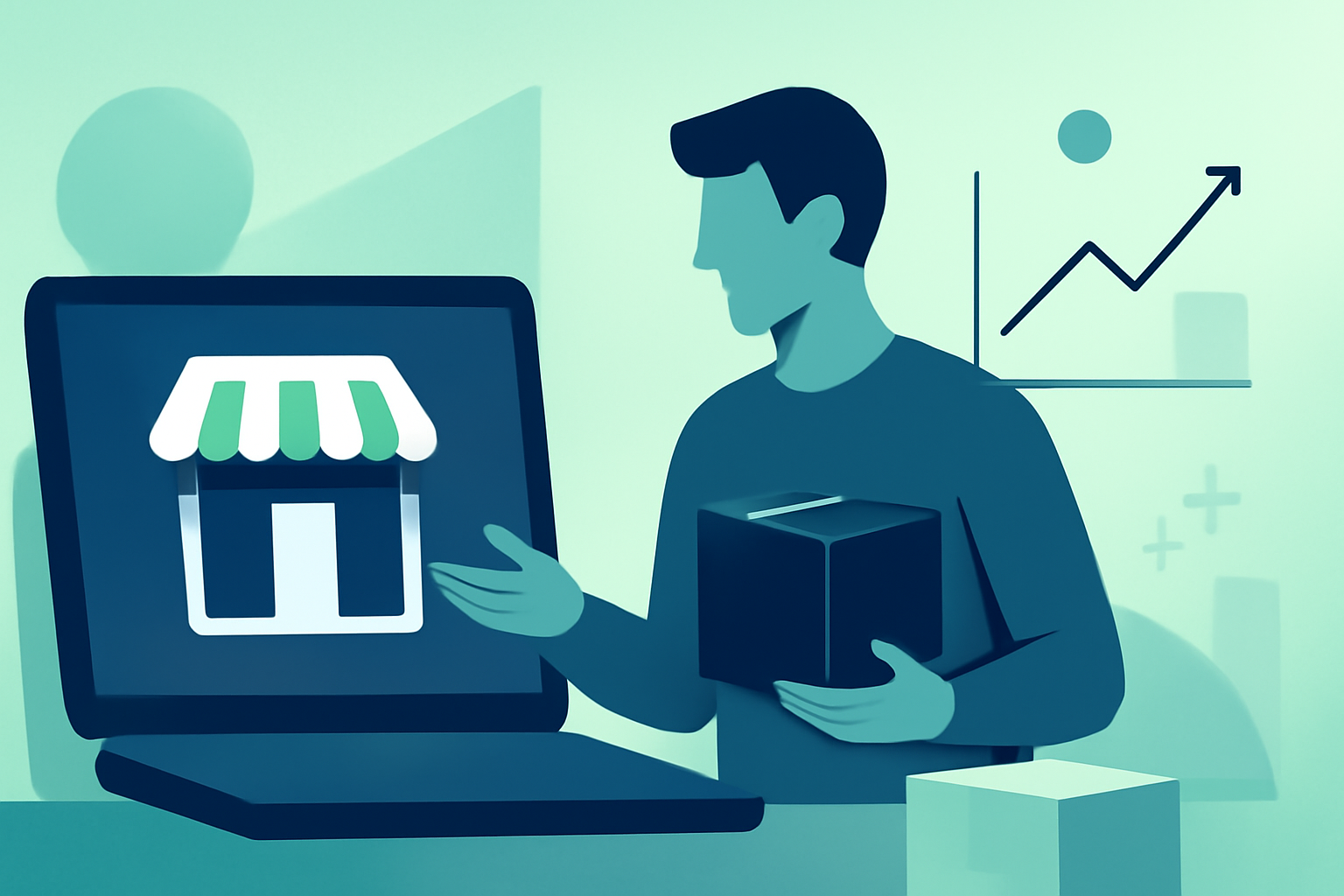
The allure of building an online business with minimal upfront inventory investment is powerful. As we look ahead to dropshipping 2026, many aspiring entrepreneurs wonder if the dream still holds water. Is it a saturated market, or a pathway to sustainable income? The truth is, the dropshipping landscape is continuously evolving, demanding more than just jumping on a trending product. Success in dropshipping 2026 will hinge on strategic planning, adapting to market shifts, and a commitment to providing real value.
The Evolving Dropshipping Landscape
The days of simply picking a random product from a supplier and slapping it on a store are largely over. The e-commerce giants have raised the bar for customer expectations, and consumers are savvier than ever. This means that for dropshipping 2026, you can't afford to be a passive middleman. You need to actively curate your product selection, understand your target audience deeply, and build a brand that resonates. Think about the rise of direct-to-consumer (DTC) brands; many of these started with a dropshipping model before scaling. The fundamental principles remain, but the execution requires a more sophisticated approach.
Identifying Profitable Niches in 2026
Niche selection is paramount. In dropshipping 2026, broad marketplaces are intensely competitive. Instead, focus on underserved or emerging niches where you can become a recognized authority. Consider areas like:
- Sustainable and Eco-Friendly Products: With growing consumer awareness, products made from recycled materials, biodegradable packaging, or with ethical sourcing are in demand.
- Pet Tech and Accessories: The pet industry continues to boom, with owners willing to spend on smart feeders, advanced grooming tools, and personalized pet accessories.
- Home Organization and Smart Home Gadgets: As more people work from home and prioritize functional living spaces, solutions for decluttering and enhancing home convenience are highly sought after.
- Specialty Health and Wellness: Beyond generic supplements, look at niche areas like sleep aids, stress-relief tools, or specific dietary needs (e.g., allergen-free baking supplies).
Research demand using tools like Google Trends, Amazon Best Sellers, and keyword research platforms. Look for search terms with a solid volume but manageable competition.
Sourcing Smarter: Beyond AliExpress
While AliExpress remains a common starting point, relying solely on it for dropshipping 2026 can be risky. Shipping times can be long, product quality inconsistent, and branding options limited. Explore alternatives:
- Domestic Suppliers: Partnering with suppliers in your target market can significantly reduce shipping times, leading to happier customers and fewer returns. Look for platforms that connect you with local wholesalers.
- Specialty Dropshipping Platforms: Platforms like Spocket or Modalyst integrate directly with your e-commerce store and often feature vetted suppliers with faster shipping and higher-quality products, though sometimes at a slightly higher cost.
- Direct Manufacturer Relationships: As you scale, consider reaching out directly to manufacturers. This allows for more negotiation power, potential for custom packaging, and better control over inventory.
When evaluating suppliers, always order samples to test product quality, packaging, and actual shipping times before listing products on your store. Transparency with your customers about shipping estimates is crucial.
Building a Brand, Not Just a Store
In dropshipping 2026, a generic store won't cut it. Building a brand is what will differentiate you. This means:
- Unique Selling Proposition (USP): What makes your store or products special? Is it your curated selection, your exceptional customer service, your commitment to sustainability, or your deep expertise in the niche?
- High-Quality Visuals: Invest in professional product photography and videography. If your supplier doesn't provide good assets, consider hiring a freelance photographer or using high-quality mockups.
- Compelling Copywriting: Craft product descriptions that highlight benefits, tell a story, and address potential customer pain points.
- Customer Service Excellence: Be responsive, helpful, and genuine in your customer interactions. Positive reviews and word-of-mouth are invaluable. A common budget for customer service tools like a good helpdesk or live chat can be around $50-$150 per month.
- Social Media Presence: Build a community around your brand on platforms relevant to your niche. Engage with your audience, share valuable content, and run targeted ads.
Consider the example of a successful dropshipping store selling specialized coffee brewing equipment. They didn't just list products; they shared brewing guides, hosted Q&A sessions with baristas, and built a loyal following of coffee enthusiasts.
Marketing Strategies for 2026
Effective marketing is the lifeblood of any e-commerce venture, and dropshipping 2026 is no different. While paid advertising will remain important, diversifying your marketing channels is key.
- Search Engine Optimization (SEO): Optimize your product pages, category pages, and blog content for relevant keywords. This drives organic traffic, which is often more cost-effective in the long run. Aim for at least 2-3 blog posts per month focusing on your niche.
- Social Media Marketing: Beyond organic posting, leverage paid social media advertising (Facebook, Instagram, TikTok, Pinterest) with well-defined target audiences. Experiment with different ad creatives and campaign objectives. A starting ad budget might be $20-$50 per day for testing.
- Influencer Marketing: Collaborate with micro-influencers or niche-specific creators who have an engaged audience relevant to your products. Their authentic recommendations can drive significant traffic and sales. Prices can range from a few hundred dollars for a post to thousands for larger campaigns.
- Email Marketing: Build an email list from day one. Offer incentives for sign-ups (e.g., a discount code) and send regular newsletters with product updates, promotions, and valuable content. Email marketing can yield an ROI of up to $36 for every $1 spent.
- Content Marketing: Create valuable content such as blog posts, guides, tutorials, or videos related to your niche. This establishes you as an authority and attracts potential customers who are actively seeking solutions.
Common Mistakes to Avoid
Even with a great product and niche, beginners often stumble. Here are common pitfalls to steer clear of in dropshipping 2026:
- Poor Supplier Vetting: Not checking product quality or shipping times.
- Ignoring Customer Service: Slow responses, unhelpful attitudes, or ignoring complaints.
- Lack of Branding: Selling generic products with no unique identity.
- Over-reliance on Paid Ads: Not diversifying traffic sources or optimizing ad spend.
- Unrealistic Expectations: Expecting overnight success without consistent effort.
- Not Adapting: Failing to monitor trends and pivot when necessary.
Key Takeaways
- Dropshipping 2026 demands a strategic approach, focusing on niche markets and value-driven branding.
- Successful entrepreneurs will prioritize excellent customer service and building trust.
- Diversify your supplier base beyond single platforms and test thoroughly.
- Invest in high-quality visuals and compelling product descriptions.
- A multi-channel marketing strategy encompassing SEO, social media, and email is crucial.
- Continuous learning and adaptation are non-negotiable for long-term success.
The opportunity for profitability in dropshipping 2026 is still very real, but it requires more effort and a sharper business acumen than in previous years. By focusing on building a genuine brand, serving a defined niche, and delivering exceptional customer experiences, you can carve out your own profitable corner of the e-commerce world.