Best Apps for Managing Gasoline and Car Costs 2026
Discover the best apps for managing gasoline and car costs in 2026. Optimize your budget, track expenses, and save money on fuel and vehicle maintenance.
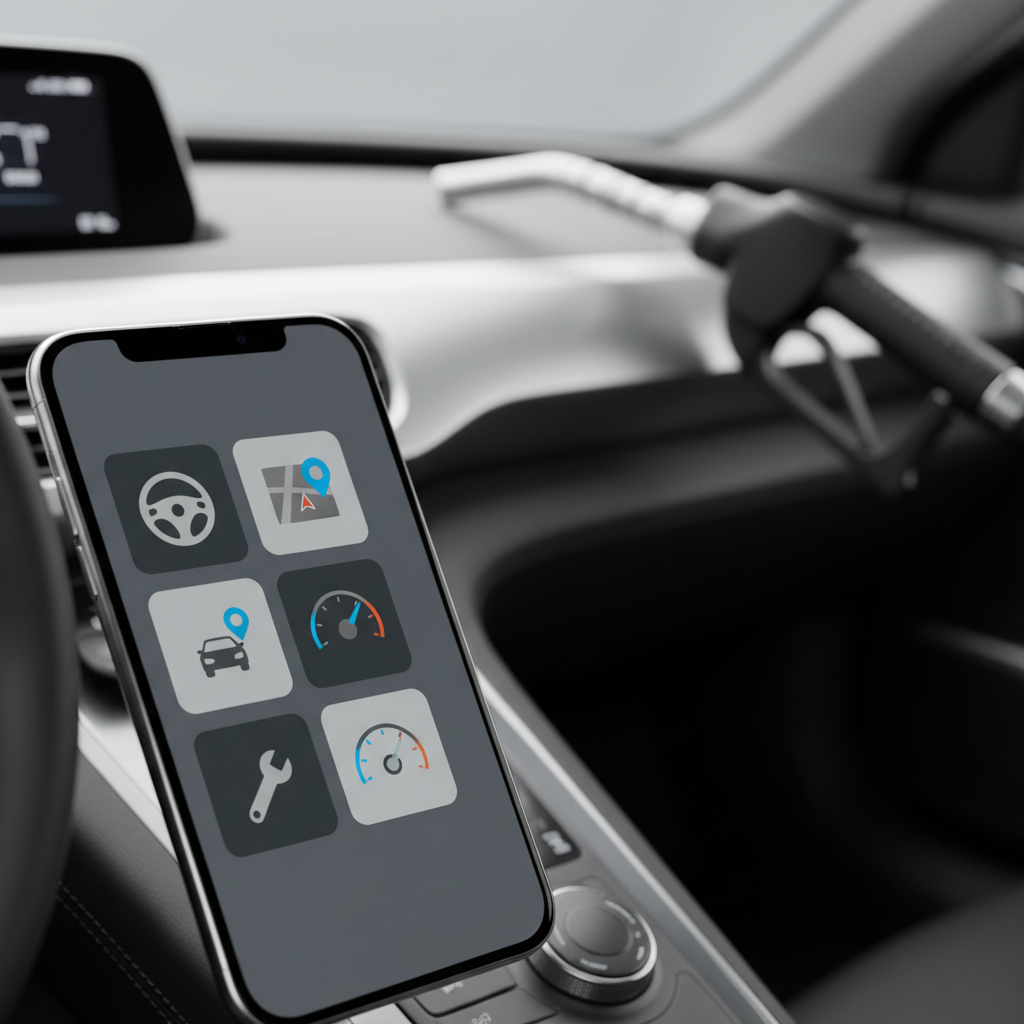
Best Apps for Managing Gasoline and Car Costs 2026
In an era of rising fuel prices and increasing vehicle maintenance expenses, staying on top of your automotive budget is more critical than ever. Thankfully, technology offers powerful solutions. This guide explores the best apps for managing gasoline and car costs in 2026, providing practical tools to help you track expenses, optimize fuel consumption, and ultimately save money. Whether you're a daily commuter, a road trip enthusiast, or simply looking to trim your household budget, these applications empower you to take control of your vehicle's financial footprint.
Managing car costs goes beyond just tracking gas purchases. It encompasses maintenance, insurance, repairs, depreciation, and even parking. The right app can consolidate all this data, offering insights that lead to smarter financial decisions. Let's dive into the top contenders that promise to make your automotive budgeting a breeze.
Why Use an App for Car Cost Management?
Before we unveil the leading apps, it's essential to understand the multifaceted benefits of using a dedicated application:
- Comprehensive Expense Tracking: From fuel fill-ups to oil changes, tires, and tolls, capture every cost associated with your vehicle.
- Fuel Efficiency Monitoring: Understand your real-world MPG/L/100km, identify trends, and adjust driving habits to save on fuel.
- Maintenance Reminders: Stay proactive with service schedules, preventing costly repairs down the line.
- Budgeting and Reporting: Set financial limits and generate detailed reports to visualize where your money goes.
- Trip Logging: For business use or personal tracking, log mileage accurately for reimbursement or tax purposes.
- Data-Driven Decisions: Gain insights into your vehicle's true cost of ownership and make informed choices about future purchases or maintenance.
The cumulative effect of these features can lead to significant savings and a greater sense of financial control over your automotive expenses.
Top Apps for Managing Gasoline and Car Costs in 2026
The landscape of car management apps is constantly evolving, with new features and improved user interfaces emerging regularly. Based on current trends, user reviews, and anticipated developments, here are the top apps projected to dominate in 2026:
1. Fuelly
Fuelly has long been a favorite for its simplicity and robust data analysis. It's not just a fuel tracker; it's a comprehensive vehicle management system.
- Key Features:
- Fuel Expense Tracking: Log every fill-up, including price, volume, and odometer reading.
- MPG/L/100km Calculation: Automatically calculates your fuel economy over time.
- Maintenance Logs: Record all service, repairs, and other costs.
- Service Reminders: Set custom reminders for routine maintenance like oil changes or tire rotations.
- Detailed Reporting: Visual graphs and statistics show your trends in fuel economy, costs, and mileage.
- Cloud Sync & Web Interface: Access your data across devices and through a full web portal.
- Why it's great for 2026: Fuelly's strength lies in its long-standing, active community and continuous updates. Its focus on detailed but intuitive data entry makes it ideal for users who want granular control and robust reporting without complex setup. The ability to compare your vehicle's efficiency with others of the same make and model within the Fuelly community is a unique and valuable feature for optimizing gasoline costs.
2. Drivvo
Drivvo is a highly-rated app known for its intuitive interface and extensive features covering all aspects of vehicle management.
- Key Features:
- Fuel Management: Track fuel consumption, costs, and calculate fuel efficiency.
- Comprehensive Expense Tracking: Categorize all vehicle expenses, including services, insurance, tolls, fines, and washes.
- Service Reminders: Schedule reminders based on mileage or date.
- Trip Management: Log business and personal trips separately.
- Vehicle Data & Documents: Store important information like insurance policies, registration, and licenses.
- Financial Reports: Generate detailed reports with charts and graphs to visualize spending.
- Cloud Backup: Securely back up your data to the cloud.
- Why it's great for 2026: Drivvo offers a fantastic balance between ease of use and powerful features. Its comprehensive approach means you rarely need another app for car expenses. The clear categorization and reporting tools are exceptionally helpful for budgeting and understanding your total cost of ownership. Expect further enhancements in UI and potentially AI-driven insights for proactive maintenance.
3. Simply Auto
Simply Auto is a versatile and user-friendly app designed to simplify car maintenance and fuel tracking for individuals and small fleets.
- Key Features:
- Fuel Log & Mileage Tracker: Accurately record fuel ups and mileage for precise MPG/L/100km calculations.
- Service & Expense Manager: Log all service records, repairs, and other costs.
- Reminder System: Set reminders for vehicle services, insurance renewals, and more.
- Receipt Management: Attach photos of receipts to expenses for easy record-keeping.
- Trip Logging: Track business and personal trips for tax purposes or reimbursement.
- Sync Data: Supports multiple vehicles and data synchronization across devices.
- Custom Reports: Generate and export detailed reports in various formats.
- Why it's great for 2026: Simply Auto stands out for its emphasis on receipt management and robust reporting capabilities, making it excellent for meticulous record-keepers or those needing documentation for tax purposes. Its ability to manage multiple vehicles also makes it suitable for families or small businesses. The app consistently receives updates, promising even more refined features for 2026.
4. Car Minder Plus
For iOS users, Car Minder Plus is a premium app focused purely on maintenance and service tracking, with a strong emphasis on preventing costly breakdowns.
- Key Features:
- Maintenance Tracking: Log every service, repair, and part replacement.
- Custom Service Reminders: Set up reminders for oil changes, tire rotations, brake inspections, and more, based on mileage or date.
- Parts Inventory: Keep track of specific parts used in maintenance.
- Fuel Economy Tracking: Monitor MPG/L/100km over time.
- Cost Analysis: View detailed cost summaries for different categories of maintenance.
- Export Data: Export records for personal archiving or professional use.
- Why it's great for 2026: While not as broad in scope as some others, Car Minder Plus excels at its core function: proactive maintenance. By helping users stay on top of service, it indirectly helps manage and reduce unexpected repair costs, which can be significant. Its clean interface and reliability make it a solid choice for iOS users prioritizing vehicle health.
5. GasBuddy (for gasoline savings)
While not a full-fledged car cost management app, GasBuddy is an indispensable tool specifically for reducing gasoline expenses.
- Key Features:
- Find Cheapest Gas: Locates the lowest gas prices near you, updated in real-time by users.
- Price History: View price trends to understand when and where to buy.
- GasBack Rewards: Earn rewards on everyday purchases that can be redeemed for free gas.
- Payment Program: Offers a payment card that can save you cents per gallon on fuel.
- Trip Cost Calculator: Estimate fuel costs for upcoming trips.
- Why it's great for 2026: GasBuddy remains the undisputed champion for finding the cheapest gas. With fuel prices fluctuating, using an app like GasBuddy can lead to substantial savings on gasoline alone. Its community-driven data ensures accuracy, and its reward programs add another layer of savings. It's an excellent companion app to any of the full expense trackers.
A Comparative Look at Key Features
To help you choose the best app for your needs, here's a quick comparison of their primary strengths:
| Feature/App | Fuelly | Drivvo | Simply Auto | Car Minder Plus (iOS) | GasBuddy |
|---|---|---|---|---|---|
| Fuel Tracking | Yes | Yes | Yes | Yes | Yes (price) |
| Expense Tracking | Yes | Yes | Yes | Yes (maintenance) | No |
| Maintenance Log | Yes | Yes | Yes | Yes | No |
| Service Reminders | Yes | Yes | Yes | Yes | No |
| Mileage Tracker | Yes | Yes | Yes | Yes | Yes |
| Receipt Capture | Limited | Yes | Yes | No | No |
| Reports/Charts | Yes | Yes | Yes | Yes | Limited |
| Cloud Sync | Yes | Yes | Yes | Yes | N/A |
| Price Finding | No | No | No | No | Yes |
| Reward Programs | No | No | No | No | Yes |
| Platform | iOS, Android, Web | iOS, Android | iOS, Android | iOS | iOS, Android |
Note: Features can vary between free and premium versions of these apps.
Maximizing Your Savings: Beyond the App
While these apps provide invaluable tools, remember that your actions significantly impact your car costs.
Fuel Efficiency Tips:
- Maintain Proper Tire Pressure: Underinflated tires reduce fuel economy.
- Regular Maintenance: Keep your engine tuned, air filters clean, and spark plugs in good condition.
- Smooth Driving: Avoid aggressive acceleration and hard braking.
- Reduce Idling: Turn off your engine if you're going to be stopped for more than 30 seconds.
- Lighten Your Load: Remove unnecessary items from your trunk.
- Combine Errands: Plan your trips efficiently to reduce driving time and distance.
- Use Cruise Control: On highways, it helps maintain a steady speed.
Maintenance Cost Reduction:
- Follow Service Schedules: Proactive maintenance prevents larger, more expensive repairs.
- Learn Basic DIY: Simple checks like oil levels, tire pressure, and fluid top-ups can save garage fees.
- Shop Around for Repairs: Get quotes from multiple reputable mechanics.
- Consider Aftermarket Parts: Quality aftermarket parts can be significantly cheaper than OEM.
- Drive Responsibly: Avoid harsh driving that puts unnecessary strain on components.
What to Look for in a Car Cost Management App in 2026
As you evaluate these options or explore others, consider these crucial factors:
- User Interface (UI) & User Experience (UX): The app should be easy to navigate and enjoyable to use. If it's a chore, you won't use it consistently.
- Comprehensive Features: Does it track everything you need—fuel, maintenance, repairs, insurance, etc.?
- Reporting & Analytics: Are the reports clear, insightful, and exportable? Can you see trends and make informed decisions?
- Cloud Sync & Backup: Your data is valuable; ensure it's backed up and accessible across devices.
- Security & Privacy: How is your personal and financial data protected?
- Platform Availability: Is it available on your preferred operating system (iOS, Android, Web)?
- Cost: Is there a free version, a one-time purchase, or a subscription model? Does the value justify the cost?
- Active Development & Support: An app that receives regular updates and has responsive customer support is more reliable in the long run.
The apps highlighted above generally excel in these areas, making them strong choices for 2026 and beyond. By diligently using one of these tools and pairing it with smart driving and maintenance habits, you can significantly reduce your gasoline and car costs.
Conclusion
The year 2026 brings continued challenges and opportunities for vehicle owners. With the right digital tools, managing your automotive budget becomes less of a chore and more of an empowering financial strategy. The best apps for managing gasoline and car costs in 2026 offer everything from hyper-accurate fuel tracking to comprehensive maintenance logs and insightful expense reports. Choose an app that aligns with your specific needs and commit to consistent data entry. The small effort you put in today will pay off in substantial savings and peace of mind tomorrow, putting you in the driver's seat of your financial future.
FAQ
Q1: Are these car cost management apps typically free to use?
A1: Many of the best apps for managing gasoline and car costs offer a free version with basic features. However, premium or paid versions often unlock advanced functionalities like cloud sync, detailed reports, unlimited vehicles, or ad-free experiences. Some apps, like GasBuddy, offer free core services but have premium features or payment programs for additional savings.
Q2: How accurate are the fuel efficiency calculations in these apps?
A2: The accuracy of fuel efficiency (MPG/L/100km) calculations largely depends on the consistency and accuracy of your data entry. If you consistently log fill-ups with correct odometer readings and fuel volumes, the apps provide highly accurate, real-world fuel economy figures. They typically use a simple formula: (miles driven) / (gallons filled) since the last fill-up.
Q3: Can I track multiple vehicles with these apps?
A3: Yes, most comprehensive car cost management apps, such as Drivvo and Simply Auto, support tracking multiple vehicles. This feature is particularly useful for families with several cars or for small businesses managing a fleet. Check the specific app's features, as this might sometimes be a premium option.
Q4: Do these apps help with tax deductions for car expenses?
A4: Absolutely. Apps like Simply Auto and Drivvo offer robust reporting and trip logging features, allowing you to categorize expenses and track mileage for business purposes. This data can be crucial for tax deductions or reimbursement claims. The ability to attach photos of receipts further simplifies record-keeping for tax season.
Q5: How do these apps ensure my data is secure?
A5: Reputable car cost management apps prioritize data security. They typically use encryption for data transmission and storage, offer secure cloud backup solutions, and may employ authentication methods. Always check the app's privacy policy to understand how your data is collected, stored, and protected.
Q6: Can these apps integrate with my car's onboard computer for automatic data logging?
A6: While direct, seamless integration with every car's onboard computer is not yet standard for most apps, some are beginning to explore this. Apps might connect with OBD-II (On-Board Diagnostics) devices via Bluetooth to pull certain data. However, for features like fuel fill-ups and maintenance logs, manual entry is still the most common and reliable method. Keep an eye on future developments as vehicle connectivity evolves.